
Written by Dr Jessica Mee
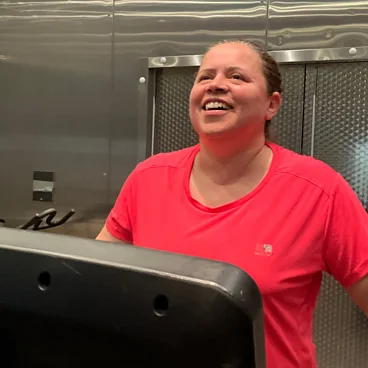
The Female Heat Lab recently had the opportunity to showcase our work and educate the public on the importance of heat resilience during an interview with Tammy from BBC Hereford and Worcester. you can listen to the conversation here. Our research focuses on understanding the unique challenges faced by women across the lifespan when exposed to extreme heat, and this interview provided a platform to share our findings, practical solutions, and the urgent need for better education and awareness.
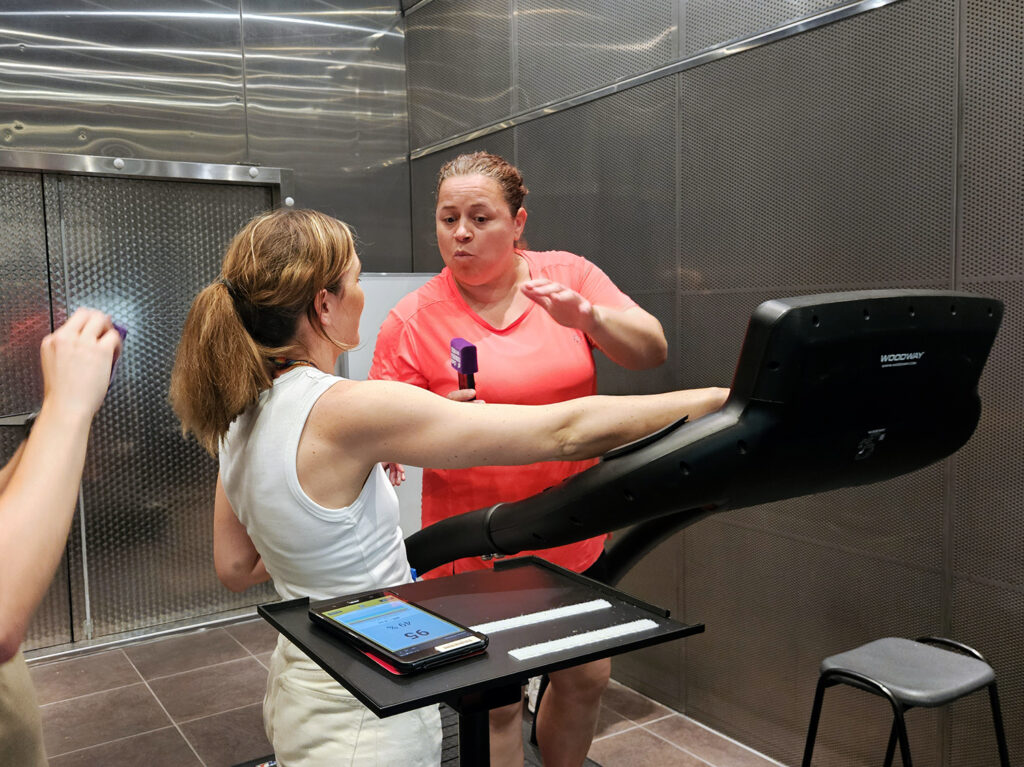
During the interview, we took Tammy through a treadmill exercise to demonstrate how the body responds to heat stress. The aim was to replicate the heart rate that people would self-select during a physically demanding job, highlighting the concept of behavioural down-regulation to manage physiological strain. We discussed how the body reacts to heat stress by sweating and bringing blood to the surface of the skin to facilitate cooling. However, we also emphasised that the impacts of extreme heat extend beyond just the physical body; the brain and cognitive function are also affected. Heat stress can lead to decreased mental performance, impaired decision-making, and even exacerbate existing mental health conditions.
One of the key points we stressed during the interview was the urgency of addressing the issue of extreme heat. With the UK experiencing record-breaking temperatures of 42°C in 2022 and climate change projections suggesting similar or even higher temperatures in the future, it is crucial that we develop strategies to mitigate the negative effects of heat stress on both physical and mental well-being.
Our recent data reveals that less than 10% of individuals receive heat-related education from their employer, community, or national level. This lack of education is concerning, as our research also shows that approximately 80% of people experience impaired sleep during heatwaves, and around 65% report reduced occupational productivity. These findings highlight the need for better education and awareness to help people cope with the challenges posed by extreme heat.
At the Female Heat Lab, our research focuses on women across the lifespan, recognising that the challenges faced during heatwaves can vary depending on factors such as age, hormonal status, and overall health. By studying these specific demographics, we aim to develop targeted interventions and guidelines to help women stay safe and comfortable during periods of extreme heat.
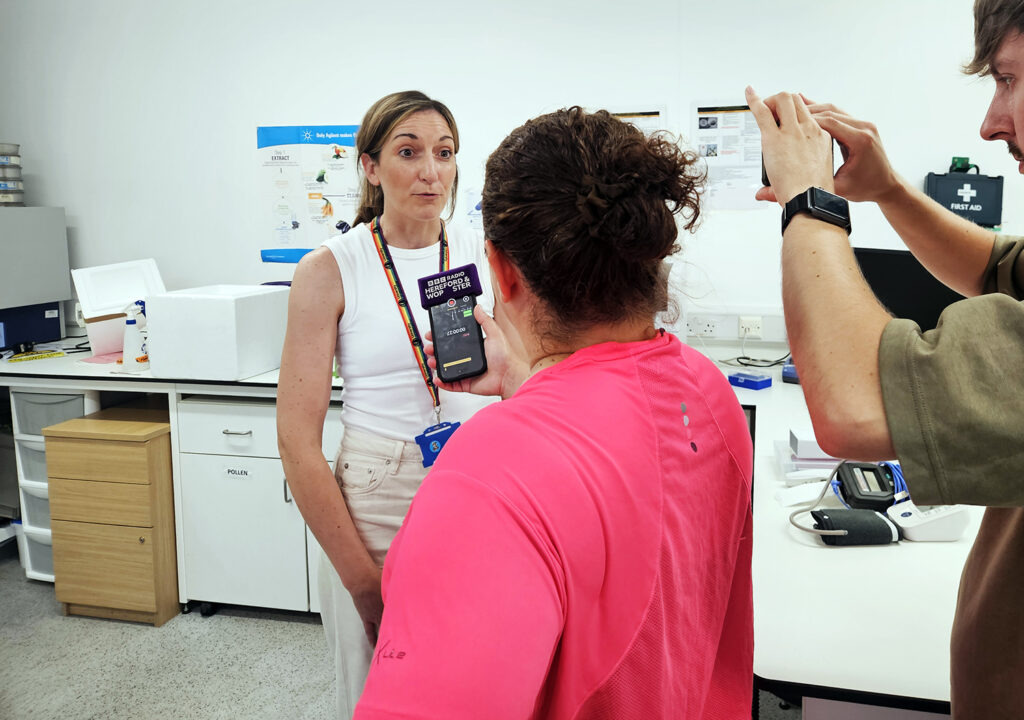
Throughout the interview, we shared simple, practical solutions that individuals can implement in their daily lives to cope with the heat. These include staying hydrated, seeking shade, wearing lightweight and breathable clothing, and adjusting daily routines to avoid strenuous activities during the hottest parts of the day. By providing these actionable tips, we hope to empower people to take control of their health and well-being during heatwaves.
The interview with BBC Hereford and Worcester was an excellent opportunity to showcase the work of the Female Heat Lab, engage with the public on the critical issue of heat resilience, and emphasise the urgent need for better education and awareness. By combining our research findings with practical demonstrations and actionable advice, we aim to raise awareness and foster a better understanding of the challenges posed by extreme heat.
As we move forward, the Female Heat Lab remains committed to advancing our understanding of the impacts of heat stress on women’s health and well-being. Through continued research, collaboration with partners across various sectors, and public outreach initiatives, we strive to develop innovative solutions that promote heat resilience and protect the most vulnerable members of our society.