
Written by: Dr Jessica Mee
Mon 29 Jun 2026. 17:00 – 18:30 BST. Houses of Parliament, London, UK
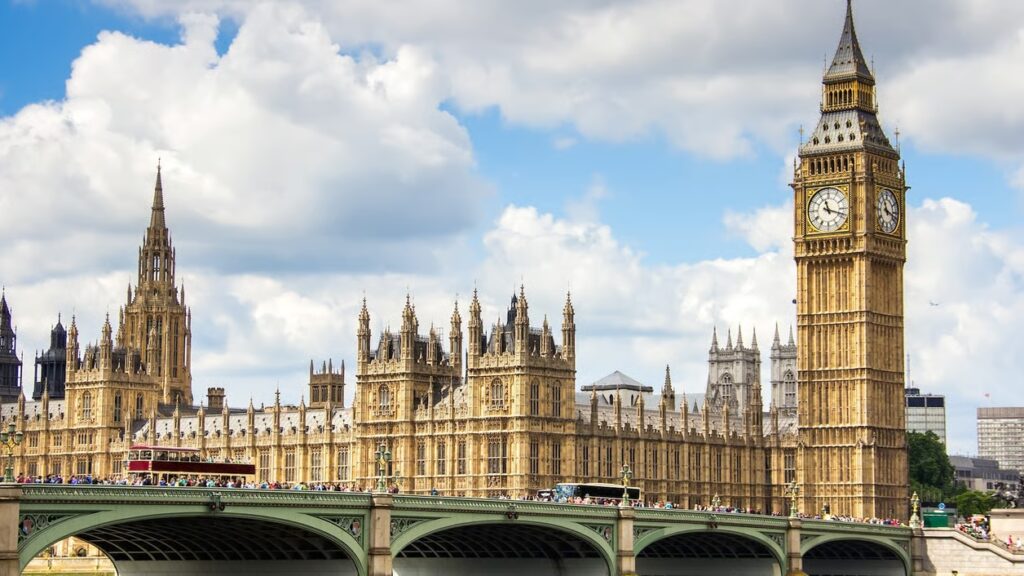
On 29 June 2026, I had the honour of attending the ‘Extreme Heat in the Workplace: Developing effective responses’ event at the Houses of Parliament, organised by The Physiological Society and the Parliamentary & Scientific Committee. As a physiologist specialising in female health and heat physiology, I was thrilled to be part of this crucial conversation about the impact of climate change on workers and the urgent need for sustainable solutions.
The event brought together a diverse group of stakeholders, including MPs, employers, trade unions, health professionals, and researchers, to discuss the growing challenge of extreme heat in the workplace. It was a unique opportunity to share insights, exchange ideas, and collaborate on strategies to protect workers’ health and well-being in the face of increasingly frequent and intense heatwaves.
As Dr Josh Foster from King’s College London pointed out during his presentation, “We must adopt a human-centred approach to heat resilience, considering the multiple factors that influence vulnerability and the inequalities in their distribution across the working population.” This statement resonated with me deeply, as it highlights the importance of understanding the physiological mechanisms behind heat stress and how they can vary across different demographics.
During the event, I had the chance to discuss my research on the unique challenges faced by women during heatwaves, particularly those who are pregnant, menopausal, or juggling caregiving responsibilities. “It’s crucial that we recognise the diverse needs of different groups when it comes to heat resilience,” I emphasised in a conversation with fellow attendees. “By tailoring our interventions and policies to address these specific vulnerabilities, we can ensure that no one is left behind.”
One of the key takeaways from the event was the need for practical, cost-effective solutions that can be implemented at both the individual and organisational levels. Ruth Wilkinson, Head of Public Affairs at IOSH (Institute of Occupational Safety and Health), stressed the importance of “empowering workers and businesses with the knowledge and tools they need to stay safe and productive during heatwaves.”
This message hit home for me, as I firmly believe that small, everyday actions can make a big difference when it comes to heat resilience. From adjusting work schedules to providing access to cool spaces and hydration, there are many simple steps that employers and individuals can take to mitigate the impact of extreme heat.
As I left the Houses of Parliament that evening, I felt a renewed sense of purpose and determination. The ‘Extreme Heat in the Workplace’ event had showcased the incredible potential for collaboration and innovation in the face of climate change. By bringing together experts from various fields and fostering open dialogue, we can develop holistic, evidence-based solutions that prioritise the health and well-being of workers worldwide.
Marvelous, what a website it is! This webpage provides useful facts to
us, keep it up.