Written by Dr Jessica Mee
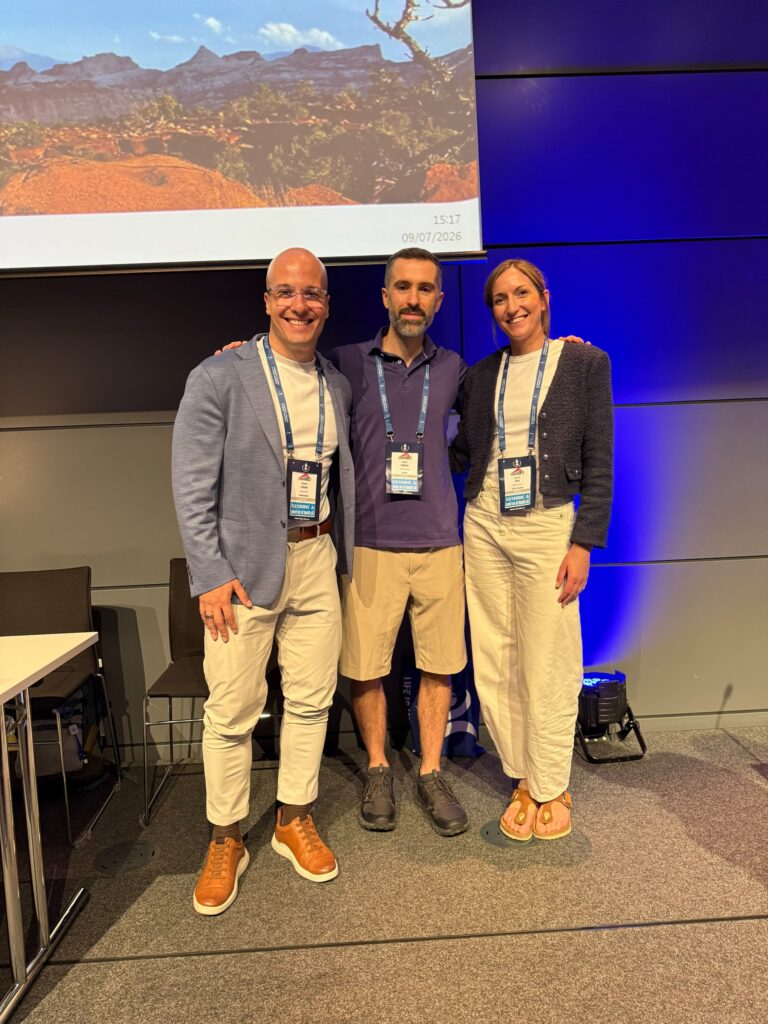
What an incredible symposium at ECSS this year. Dr Jessica Mee had the privilege of presenting alongside Orlando Laitano and Daniel Gagnon on an invited symposium session titled Hormones, Heat, and Human Performance — a topic that sits right at the heart of why the Female Heat Laboratory exists in the first place. So much of what we currently know about heat acclimation and adaptation still doesn’t reflect female physiology, and it was a genuine privilege to spend an hour with a room full of people who wanted to properly dig into why.
What we covered
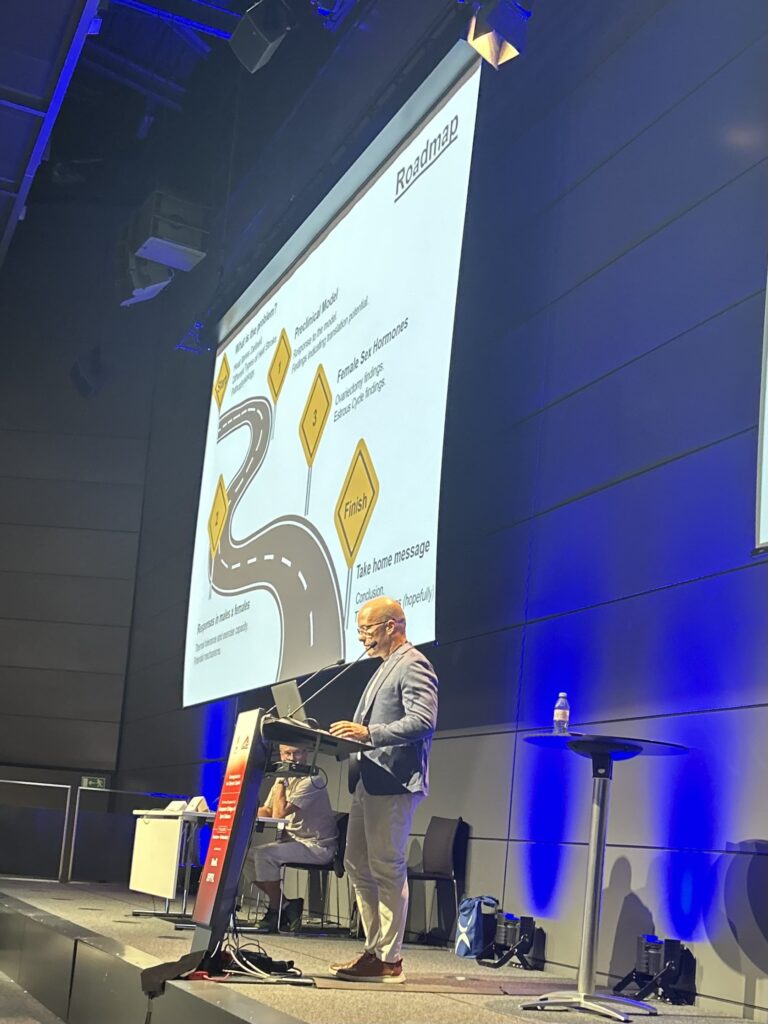
Orlando opened the session with a look at animal models for understanding heat illness in females — work that’s helping fill in mechanistic detail we simply can’t get from human studies alone. It was a good reminder that closing this evidence gap isn’t only about recruiting more women into human trials. Sometimes the most rigorous route to understanding what’s actually happening physiologically starts somewhere else entirely
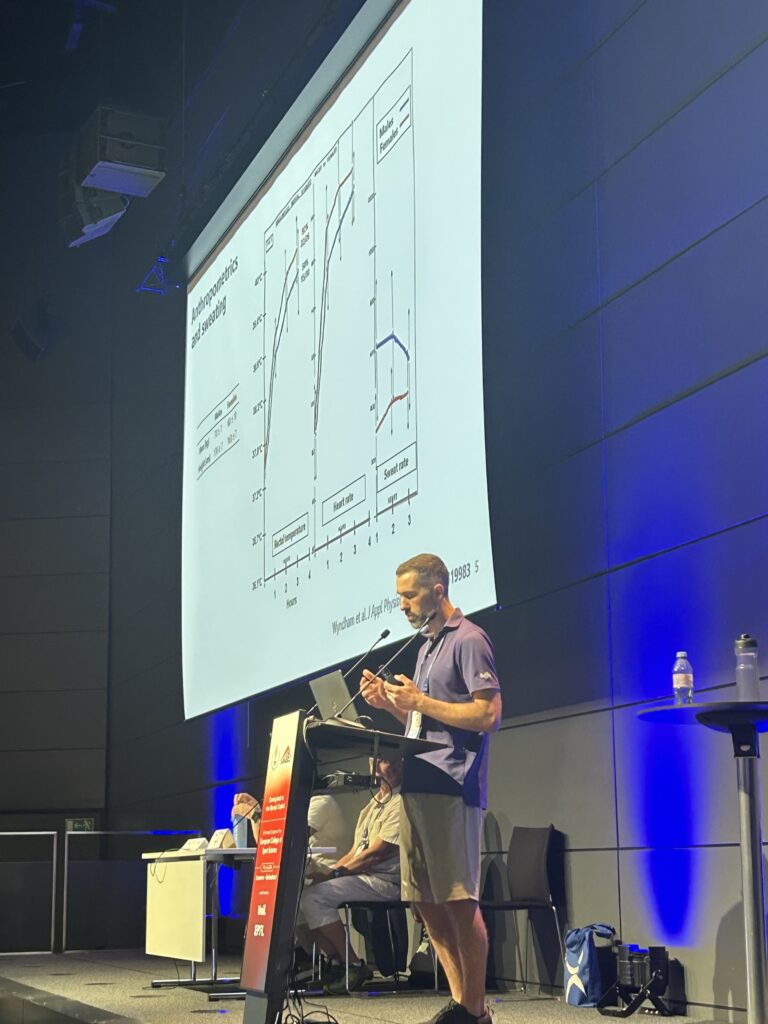
Dan followed with a wonderfully balanced picture of sex differences in heat stress responses. His conclusion was refreshingly honest: we are different, we are not different, and often, it depends. That kind of nuance rarely gets space in a field that too often defaults to simple headlines, and it was a reminder of how much careful science it takes to actually answer these questions properly.
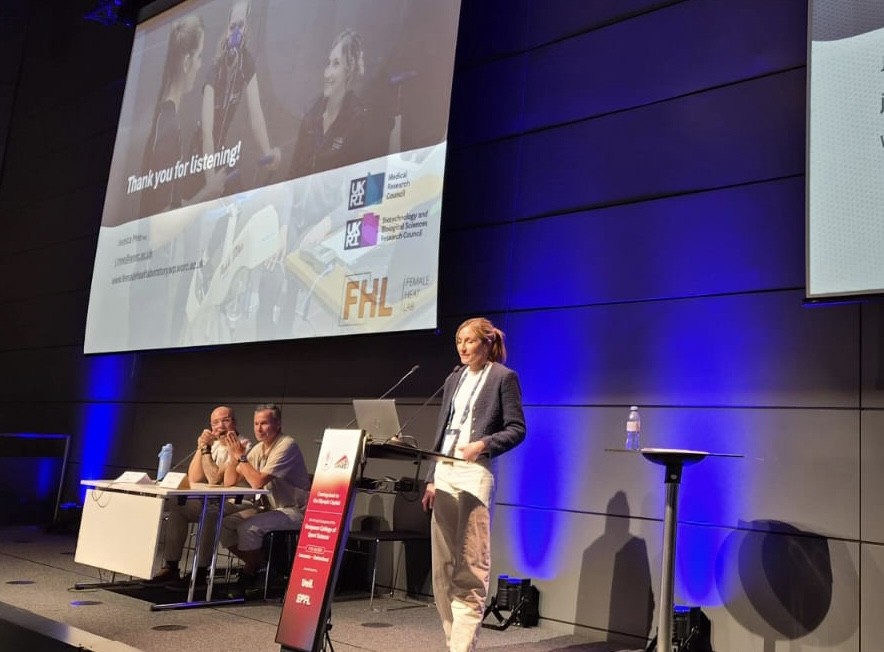
I closed the session with a focus on heat adaptation itself: what we already know, where the evidence is still thin, and what a genuinely sex-inclusive approach to heat adaptation research needs to look like going forward. That means moving past the two classic studies from the 1960s that most current heat guidance still traces back to, and building an evidence base that accounts for the menstrual cycle, menopause, and the real conditions women are adapting to heat within, not just in a lab, but in everyday workplaces.
It was also brilliant to see such strong science across the Environmental Physiology and Female Health domains more broadly this year — a real sign of how far this field has come, but also a welcome acknowledgement of just how much we still don’t know.
Why this matters beyond the conference room
None of this is an academic exercise. UK heatwaves are becoming more frequent and more severe, and the cost isn’t just measured in health outcomes — it shows up in lost working hours, reduced output, and workplaces that were never designed with extreme heat, or the people working through it, in mind. Guidance built almost exclusively on data from men doesn’t serve anyone well when half the workforce is left to guess how their own body will respond.
That’s the gap this work is trying to close: not just better questions in the lab, but evidence that actually reaches employers, clinicians, and the people trying to get through a hot week at work.
What’s next
This symposium has given me a lot to carry forward, both in refining our own research priorities and in thinking about how we translate findings into guidance people can actually use.
Thank you to everyone who came along, asked sharp questions, and pushed the discussion further. If this is a topic you’re working on too, I’d love to hear from you.